
Skardu & Deosai Travel Guide
Overview
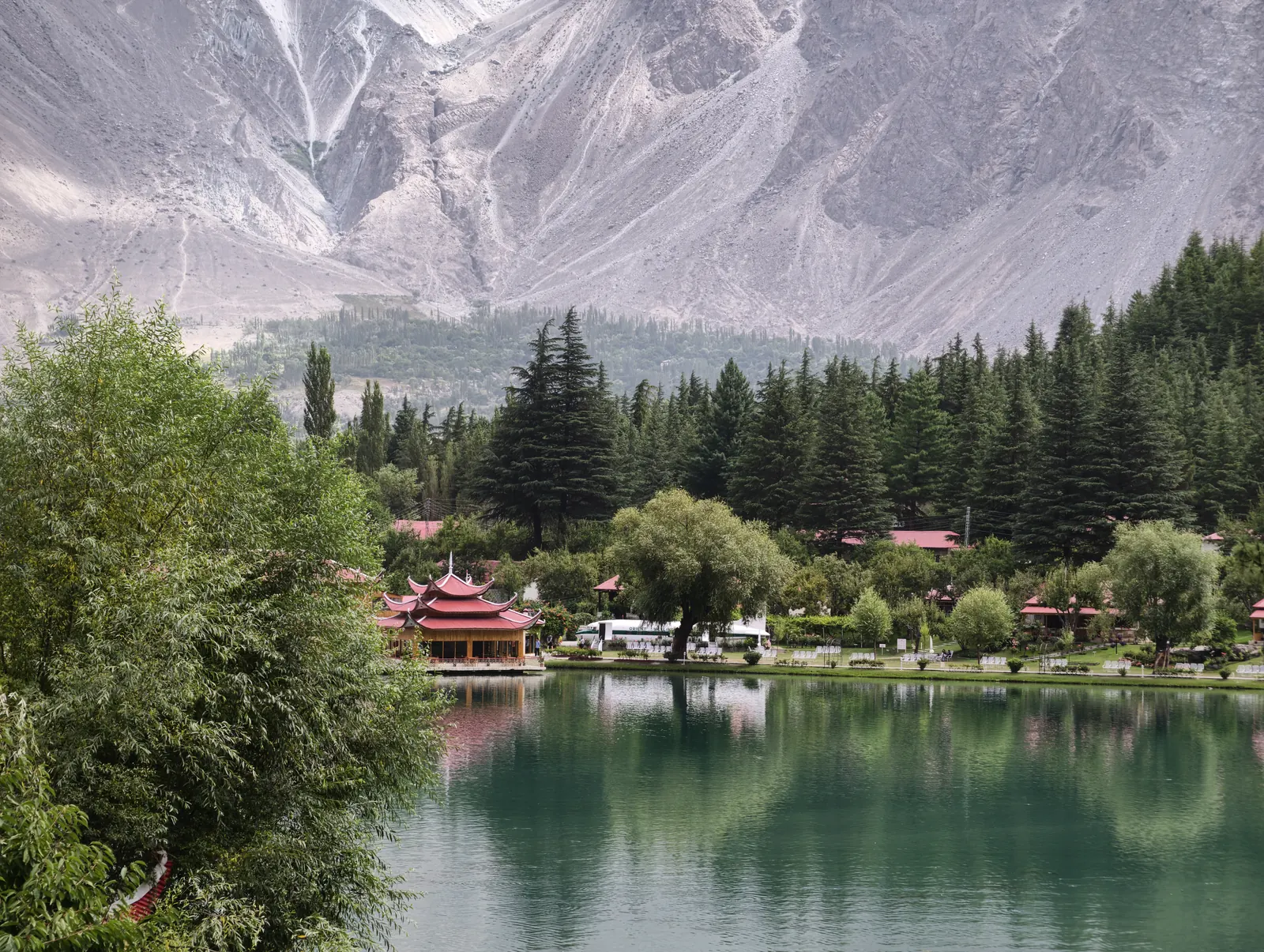
Skardu is the gateway to Baltistan, the rugged eastern region of Gilgit-Baltistan. The town sits in a wide valley where the Indus River meets the Shigar River, surrounded by towering granite peaks and cold desert landscapes. It serves as the launching point for some of the world's most famous mountaineering expeditions: K2, Broad Peak, and the Gasherbrums are all accessed from here.
Beyond the town, the region offers serene lakes, centuries-old forts and palaces, and Deosai National Park, one of the highest alpine plains in the world. Skardu combines dramatic scenery with deep Balti culture, a Tibetan-influenced heritage visible in its architecture, cuisine, and language.
Top attractions
Shangrila Resort and Lower Kachura Lake
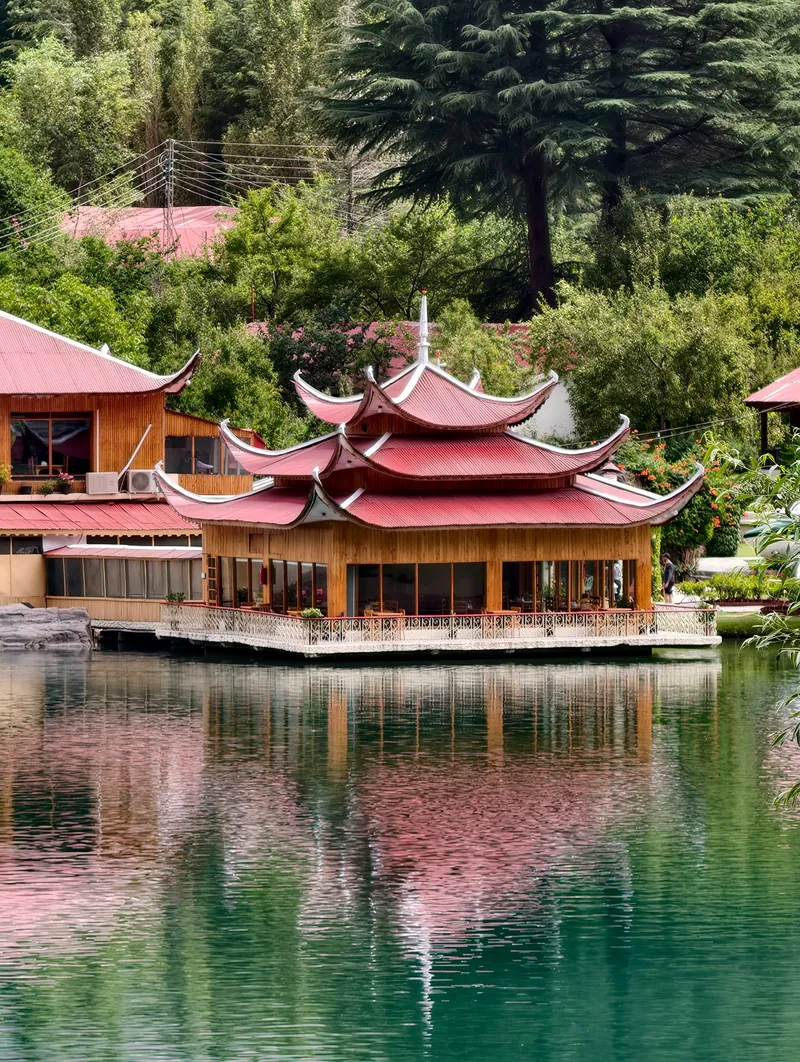
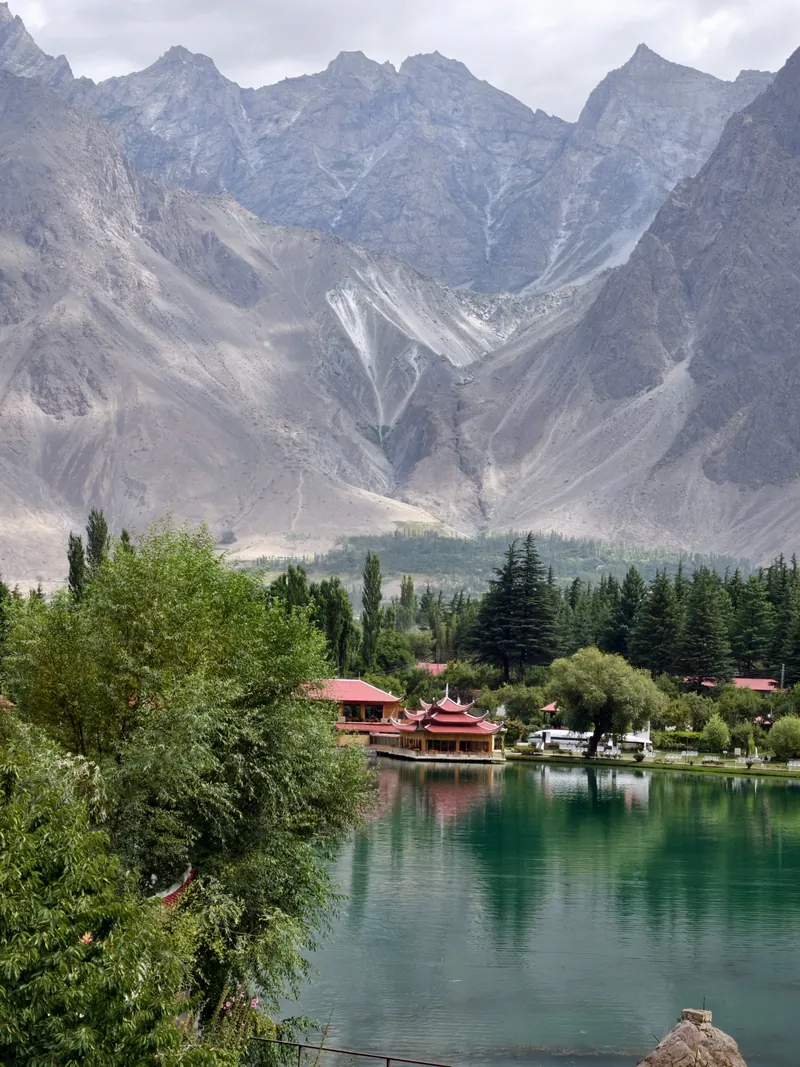
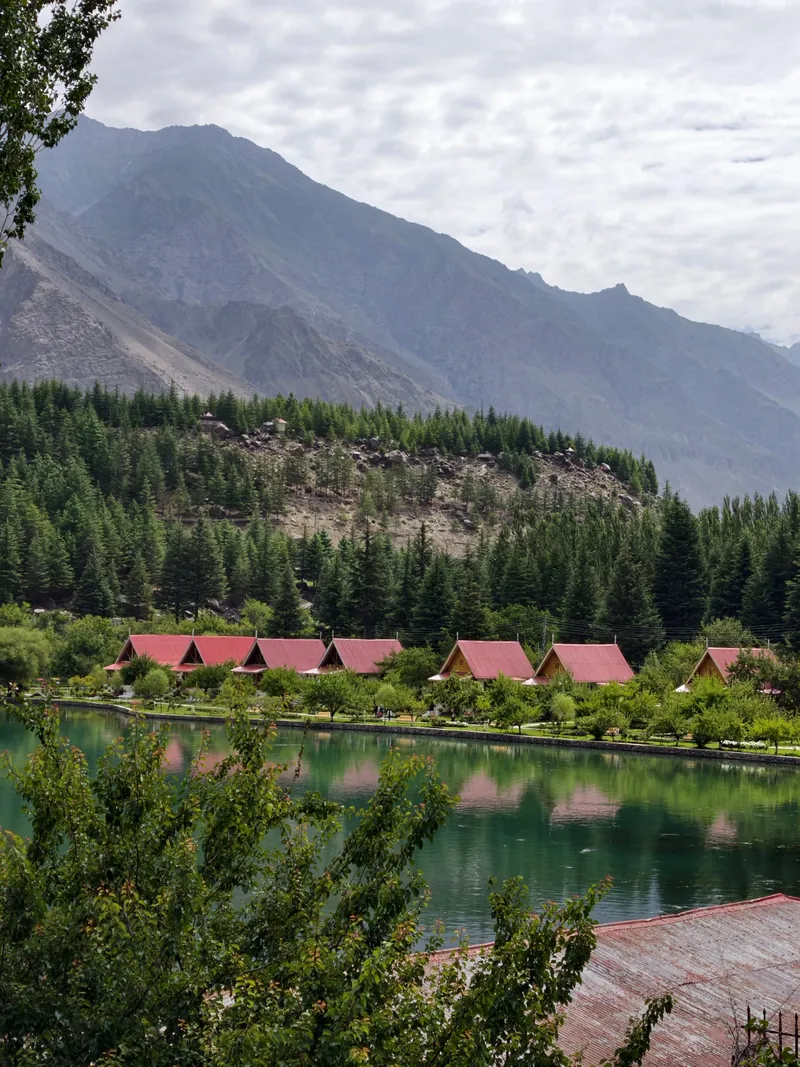
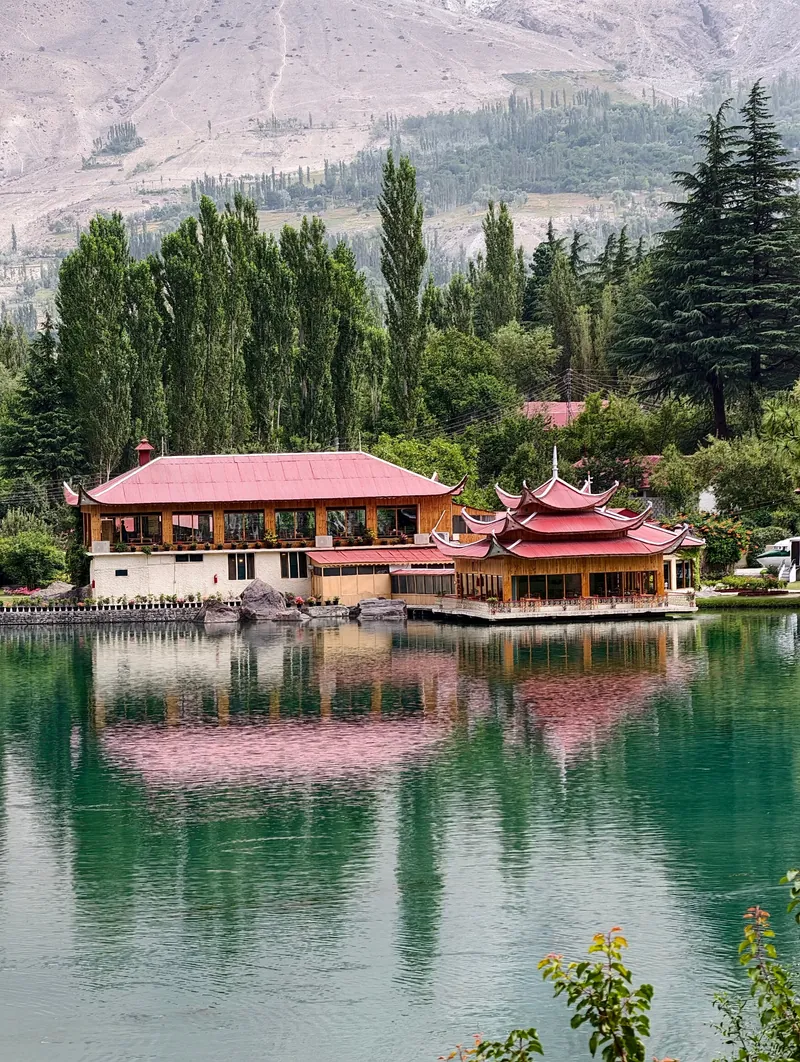
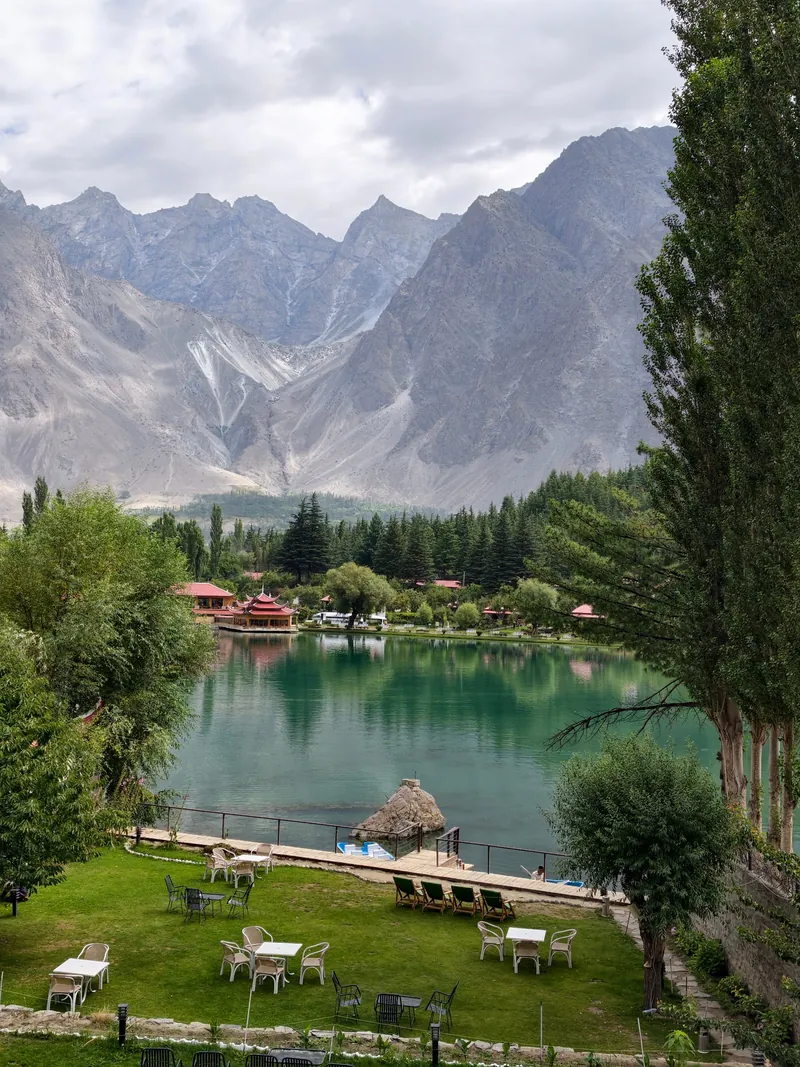
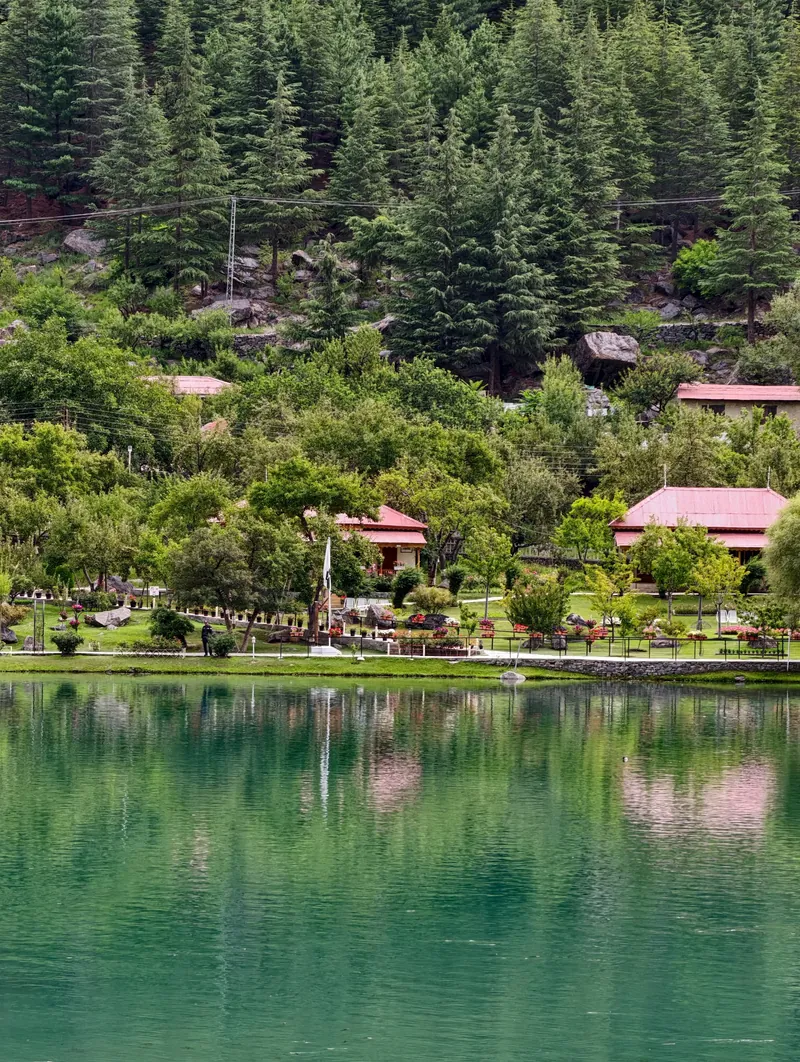
Known as "Heaven on Earth," Shangrila Resort sits beside the heart-shaped Lower Kachura Lake, about 20 minutes from Skardu town. The resort is famous for its red-roofed cottages and a vintage aircraft mounted beside the lake. Even if you don't stay overnight, the lakeside is open to day visitors for boating and short walks.
Upper Kachura Lake
Quieter and wilder than its lower counterpart, Upper Kachura Lake lies a short hike above the lower lake. Fringed by apricot orchards and ringed by mountains, it is a peaceful spot for picnics, fishing, and photography. The walk up takes about 20–30 minutes and is manageable for most fitness levels.
Shigar Fort
About 30 kilometers from Skardu, Shigar Fort is a 400-year-old former royal palace of the Amacha dynasty, restored by the Aga Khan Trust for Culture. It now operates as a heritage hotel and museum, with traditional woodcarvings, a mosque, and gardens. The fort offers guided tours that explain Baltistan's history.
Khaplu Palace
Further east along the Shyok River, Khaplu Palace is another beautifully restored royal residence turned heritage hotel and museum. Its architecture blends Tibetan, Kashmiri, and Balti styles, with ornate wooden balconies and a dramatic setting beneath the Karakoram. The surrounding Khaplu Valley is one of the most scenic in the region.
Deosai National Park
The Deosai Plains, averaging over 4,100 meters in elevation, are often called the "Roof of the World." This vast rolling plateau bursts into wildflowers in summer and is home to the Himalayan brown bear, golden marmots, and numerous bird species. Sheosar Lake, at the heart of the plains, reflects the surrounding peaks on calm days. Deosai is accessible only in summer, roughly June to September, and the track across the plains requires a 4×4 vehicle.
Satpara Lake
Just south of Skardu town, Satpara Lake supplies the town's drinking water and hydroelectric power. The lake's deep blue water, framed by barren mountains, is striking. Boating is available, and the viewpoint above the lake is a popular sunset spot.
Best time to visit
- May–October: The main travel season for Skardu. Days are pleasant, all major roads and attractions are open, and lake water is at its clearest.
- Deosai Plains (June–September): The high plateau is snowbound for most of the year. The window for visiting Deosai is short, so plan for July or August for the best wildflower displays and the highest chance of spotting wildlife.
- Winter (November–April): Very cold, with temperatures dropping well below freezing. Many hotels close and Deosai is inaccessible, but the frozen lakes and snow-covered forts have a stark beauty for hardy travelers.
How to reach
- By air: PIA and Airblue fly from Islamabad to Skardu. The flight is short (under an hour) and famously scenic, passing close to Nanga Parbat. However, flights are frequently delayed or cancelled due to weather, so keep your schedule flexible and have a backup plan.
- By road: The long overland route runs via the Karakoram Highway to Jaglot, near Gilgit, and then along the rebuilt Jaglot–Skardu road (a journey of 20+ hours from Islamabad, usually split over two days). The road has been upgraded in recent years but remains a serious mountain drive. Public buses, private cars, and hired jeeps all make the trip.
Because flight cancellations are common, many travelers build an extra buffer day into their itinerary.
For a full breakdown of flights, both road routes, and journey costs, read our guide to how to reach Skardu.
Where to stay
- Skardu town: The widest range of options, from budget guesthouses to mid-range hotels. Staying in town gives easy access to restaurants, shops, and transport for day trips.
- Resorts near the lakes: Shangrila Resort and properties around Upper Kachura offer scenic lakeside stays. These are pricier but popular with families and honeymooners.
- Shigar and Khaplu: Heritage stays at Shigar Fort and Khaplu Palace provide a unique cultural experience. Smaller guesthouses in both valleys are also available.
- Deosai camps (summer only): Basic tented camps operate on the Deosai Plains during the short summer season. Expect simple facilities, cold nights, and extraordinary starry skies.
Book early for the summer peak season, especially heritage properties and Deosai camps, which have limited capacity.
Check hotels and prices
Compare current availability and rates for the main bases before you go, especially for July, August and the autumn season.
Hotels in Skardu → Hotels in Shigar → Hotels in Khaplu →Tips
- Acclimatization: Skardu sits at about 2,200 meters, and Deosai reaches over 4,100 meters. Spend a day or two in Skardu before heading to the plains. Headaches, fatigue, and shortness of breath are common at altitude; descend if symptoms worsen.
- Fuel up: Petrol stations are scarce outside Skardu town. Fill the tank before heading to Deosai, Shigar, or Khaplu, and carry extra fuel for remote routes.
- 4×4 for Deosai: The track across the Deosai Plains is rough and unpaved. A high-clearance 4×4 vehicle with an experienced driver is essential; do not attempt it in a standard car.
- Weather changes fast: Even in summer, temperatures on Deosai can drop near freezing, and afternoon storms are common. Pack warm layers, a windproof jacket, and sun protection.
- Respect local customs: Baltistan has a strong cultural identity with Tibetan roots. Dress modestly, ask permission before photographing people, and try the local cuisine: Balti dishes like mamtu (dumplings) and balay (noodle soup) are highlights.
- Cash and connectivity: Carry cash, as ATMs can run out in peak season. Mobile signal is limited outside Skardu town, so download offline maps in advance.
Continue exploring
- Plan your trip to northern Pakistan: timing, transport, packing, and budgets
- Hunza Valley travel guide: forts, Attabad Lake, and Khunjerab Pass along the Karakoram Highway
- Fairy Meadows & Nanga Parbat travel guide: pair Skardu with the famous Nanga Parbat viewpoint trek