
Best Time to Visit Hunza Valley
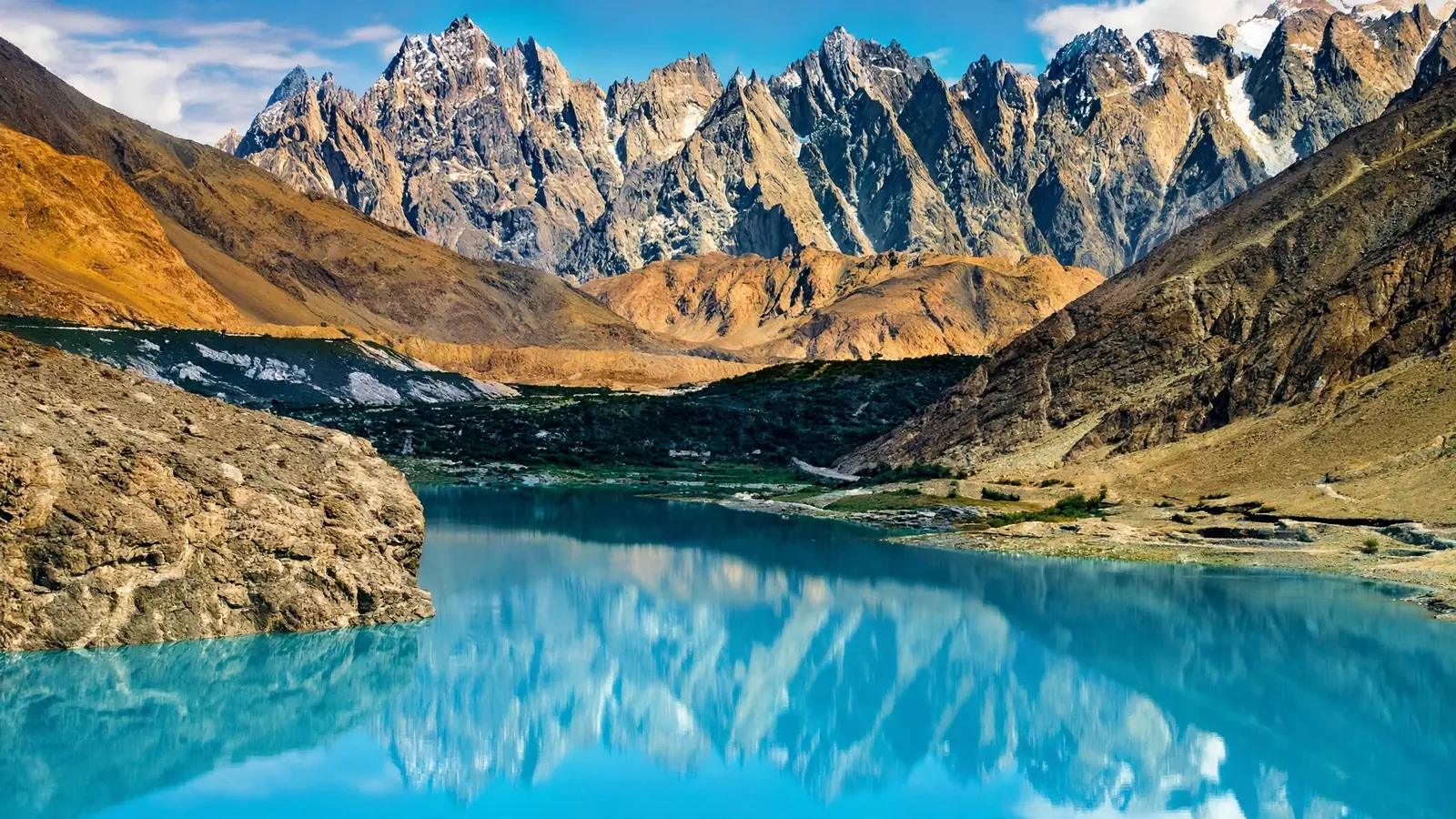
Hunza is the one destination in northern Pakistan where when you go matters almost as much as going at all. The same valley wears four completely different faces through the year: pink and white orchards in spring, green terraces and open mountain passes in summer, a blaze of gold and red foliage in autumn, and a silent, snow-dusted calm in winter. Picking the right season is the difference between the trip you imagined and a trip that exceeds it.
This guide breaks down Hunza season by season and month by month, so you can match your travel dates to the Hunza you most want to see. For the full destination picture (forts, lakes, how to reach, where to stay), see our Hunza Valley travel guide.
The short answer
- Best all-rounder: late April to early May (blossom) or October (autumn colors)
- Best for trekking and road trips: June to September
- Best for photography: mid-October to mid-November (autumn) or late April (blossom)
- Best for quiet and low prices: December to February, with winter trade-offs
- Booking autumn: peak foliage usually runs from mid-October into November, and these weeks fill up fast, so reserve early.
Spring (March–May): blossom season
Spring is Hunza's most celebrated season. The valley wakes up in a wash of pink and white as apricot, cherry, and apple orchards bloom against snow-covered peaks. Apricots flower first, usually in late March, with cherry and apple blossom peaking through April into early May.
The weather is cool and pleasant (layers during the day, a warm jacket in the evenings), and the valley feels alive: locals tending orchards, irrigation channels running, the first produce appearing in Karimabad's bazaars. Cultural travelers love this season because the valley is visibly returning to life after winter.
Trade-offs: This is one of the two peak visitor seasons. The best guesthouses in Karimabad and Gulmit fill up early, so book ahead, especially for the last two weeks of April. Some high-altitude spots can still hold snow in early spring.
Summer (June–September): peak adventure
Summer is the easiest, most forgiving time to visit. Days are warm (roughly 15–25°C in the valley), the skies are generally clear, and every attraction is accessible: boat on Attabad Lake, hike toward Passu Glacier, drive the Karakoram Highway all the way to Khunjerab Pass on the China border. Long daylight hours mean more time for sightseeing, and the valley is lush green.
This is the season for trekkers and families. Popular routes like the Ultar Sar base camp trek and day hikes around Eagle's Nest are snow-free, and road-trippers can combine Hunza with Swat or Skardu without worrying about closed passes. July and August can bring occasional afternoon showers and busier roads, but the crowds are nothing like peak-season destinations elsewhere.
Trade-offs: Prices are at their highest, and the most popular hotels book out on summer weekends. If you prefer fewer people, aim for early June or September instead.
Autumn (late September–November): the golden season
Autumn is Hunza's second magic season. As temperatures cool, the poplar, apricot, walnut, and mulberry trees turn gold, amber, and red, setting the terraced villages ablaze with color against the snow-dusted Karakoram peaks. It's harvest season too: farmers gather apples, apricots, walnuts, and grapes, and Karimabad's bazaars overflow with fresh produce.
Peak foliage generally runs from mid-October to mid-November, with the second half of October usually the strongest single period. Days are crisp and comfortable (often 10–20°C), skies are clear and stable, and the tourist crowds are thinner than in summer, all of which makes it a favorite for photographers. Early morning and late afternoon light on the golden orchards is genuinely spectacular.
Trade-offs: It's a short window. By mid-November the colors begin giving way to winter, and roads to higher passes (Khunjerab in particular) can close with early snow from late November onward. Guesthouses popular with autumn travelers should still be booked ahead; this season's reputation has grown sharply in recent years.
Winter (December–February): the quiet valley
Winter in Hunza is for a different kind of traveler. The valley is cold and quiet, often well below freezing at night, with snow dusting the villages and the great peaks gleaming above a still, empty landscape. Many guesthouses and hotels close for the season, but the ones that stay open offer warm hospitality and the lowest prices of the year.
There are almost no tourists, which means you'll see Hunza as it is: village life, woodsmoke in the air, locals with time to talk. If you've visited before in a busy season, winter gives you the valley's private face.
Trade-offs: Be honest with yourself about the cold. Some restaurants and shops close, Khunjerab Pass is shut, and activities are limited. Daytime sightseeing is still possible with warm clothing, but this is a slow-travel season, not a checklist one. Check road conditions on the Karakoram Highway before setting out.
Month-by-month verdict
| Month | What's happening | Verdict |
|---|---|---|
| January | Deep winter; snow, quiet, very few visitors | Only for winter lovers |
| February | Still winter; cold, peaceful | Only for winter lovers |
| March | First apricot blossoms at lower altitudes | Early spring, pleasant |
| April | Full blossom (apricot, cherry, apple); peak season | Excellent, book ahead |
| May | Blossom fading, green season beginning; mild | Very good |
| June | Summer begins; all roads and attractions open | Excellent for first-timers |
| July | Warm, lush, long days; some afternoon showers | Very good |
| August | Similar to July; family holiday crowds | Good |
| September | Fewer crowds, still green, first autumn tints | Excellent, underrated |
| October | Autumn colors, peak from mid-month | Excellent, best for photography |
| November | Late autumn colors early in the month, then winter sets in | Good (first half only) |
| December | Winter arrives; snow, quiet | Only for winter lovers |
Best time by travel style
- First-time visitors: June or September. Everything is open, the weather is mild, and crowds are smaller than in July–August.
- Photographers: Mid-October to mid-November (golden orchards, clear air) or late April (blossom with snowy peaks).
- Families with kids: Summer holidays, warm weather, easy sightseeing, boats on Attabad Lake.
- Trekkers: June to September for high routes; shoulder months are possible at lower altitudes with a guide.
- Honeymooners and couples: April (blossom) or October (autumn): the two most romantic looks the valley wears.
- Budget travelers: December to February, with the lowest room rates of the year, if you can handle the cold.
Planning tips, whatever season you pick
1. Book ahead for blossom and autumn. The best guesthouses in Karimabad, Duikar (Eagle's Nest), and Gulmit fill up early in April and October.
2. Pack layers, always. Mountain weather shifts fast; even summer evenings cool down, and October nights need a proper jacket.
3. Check pass status in shoulder seasons. Khunjerab Pass and Babusar Top close in winter, so confirm before building an itinerary around them.
4. Give the valley at least 4–5 days. Hunza rewards slow travel; a rushed two-day trip misses half its character. See our trip-planning guide for how to structure it.
5. Consider pairing valleys. Torn between Hunza and Swat? Our Swat Valley travel guide covers the other classic northern valley.
Frequently asked questions
When do autumn colors peak in Hunza?
Generally mid-October to mid-November, with the second half of October usually the strongest period. Timing varies slightly with altitude and the year's weather.
Is Hunza worth visiting in winter?
Yes, if you want solitude, snow scenery, and the lowest prices, but go prepared for serious cold, limited services, and closed high passes.
What is the cheapest month to visit Hunza?
January and February have the lowest hotel rates, since most tourists avoid the cold. Shoulder months like March and late November can also be good value.
Can I visit Hunza during the monsoon?
Hunza sits in the rain shadow of the Karakoram and gets far less rain than the plains, but July–August can still bring afternoon showers and the risk of landslides on the Karakoram Highway. June and September are safer summer-adjacent bets.
What should I wear in Hunza in October?
Layers: light but warm clothing for the day, and thermal wear, a warm jacket, gloves, and a scarf for the chilly evenings. Add extra warmth if you're heading to higher altitudes.
Last reviewed: October 2026. Seasons are approximate and shift slightly year to year. For the latest conditions, check local travel updates before you go.