
Naran & Kaghan Valley Travel Guide
Overview
Naran and the Kaghan Valley sit in the Mansehra district of Khyber Pakhtunkhwa, and together they form one of the most visited mountain regions in Pakistan. The valley stretches roughly from Balakot in the south to Babusar Top in the north, following the Kunhar River as it winds between forested slopes and high alpine meadows. Naran, the main town, acts as the valley's base camp, a bustling little market town of hotels, restaurants, and jeep stands that comes alive every summer.
What draws travelers here is variety. Within a single trip you can stand beside a legendary alpine lake, cross a 4,173-meter mountain pass, and wander through pine forests above the clouds. The scenery changes dramatically along the road: lower Kaghan is green and wooded, Naran sits at the edge of the alpine zone, and beyond it the landscape opens into stark, high-altitude country. Because everything lies along one main road, the valley is also one of the easiest northern destinations to navigate.
Naran is the most developed tourist town in the region, which means plenty of accommodation and food options, but also crowds in peak season. If you prefer quieter corners, the side valleys and meadows around Shogran offer a calmer alternative.
Top attractions
Lake Saif-ul-Malook
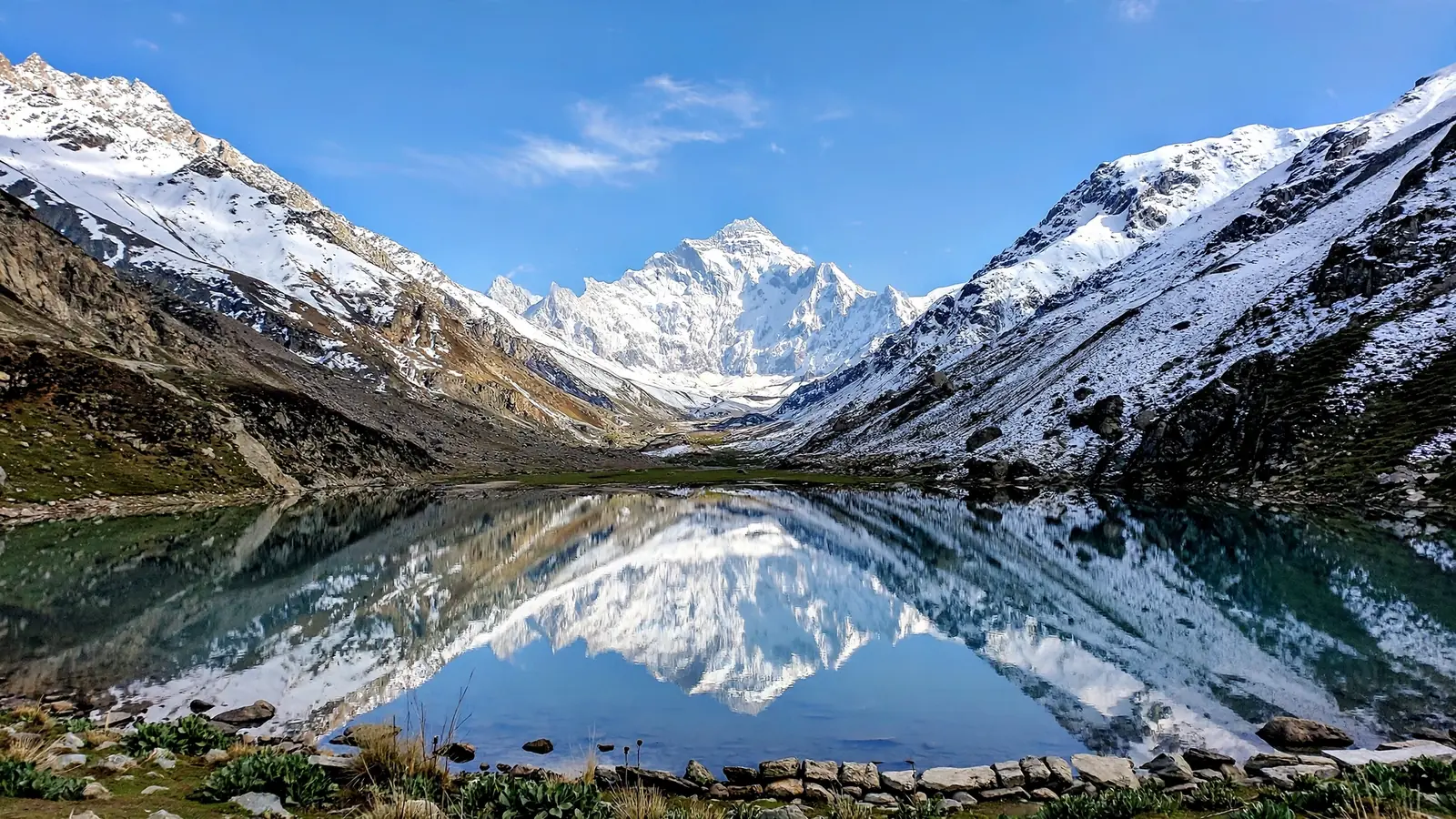
The jewel of the valley. This glacial lake sits at about 3,224 meters, ringed by snow-capped peaks, and is wrapped in one of Pakistan's most famous folk legends: the tale of Prince Saif-ul-Malook and the fairy queen Badri Jamala. The lake is reached by a rough jeep track from Naran (about 9 km), and the ride itself is part of the adventure. Visit early in the morning for the calmest water and the clearest reflections. Boating is available in summer, and small tea stalls and snack vendors operate near the shore during the season.
Lulusar Lake
Further north along the Naran–Babusar road, Lulusar is a long, mirror-still lake at around 3,410 meters, fed by surrounding glaciers. It is quieter than Saif-ul-Malook and often missed by day-trippers. Unlike Saif-ul-Malook, Lulusar is directly accessible from the main road, with no jeep track required.
Babusar Top
At 4,173 meters, Babusar Top is the high pass that connects Kaghan Valley with Gilgit-Baltistan and the Karakoram Highway beyond. The drive up is spectacular: hairpin bends, vast alpine slopes, and views that stretch across two mountain regions. On a clear day you can see deep into both valleys from the top. There are tea stalls and small shops at the pass during the season. Note that Babusar Top is typically closed from November to May due to heavy snow, so always check road status before planning a crossing.
Shogran & Siri Paye
Shogran is a pine-forested hill station reached by jeep from Kiwai, on the road between Balakot and Naran. From Shogran, another jeep track (or a hike of a few hours) leads up to Siri Paye, a high alpine meadow famous for its wildflowers and panoramic sunrises. Shogran makes an excellent overnight stop to break up the journey to Naran, and the meadows are far less crowded than the main valley attractions.
Best time to visit
The main season runs from mid-May to September. July and August are the warmest months and the busiest: expect full hotels and busy jeep stands in Naran. June and September are often the sweet spot: the roads are open, the weather is pleasant, and the crowds are thinner. October brings autumn colors but colder nights, and many hotels begin closing by late October.
Winter is a different story. Babusar Top typically closes from November to May, and much of the valley beyond Naran becomes inaccessible in deep winter due to snow. Naran town itself largely shuts down in the coldest months, with only limited services. Unless you are specifically prepared for winter conditions, plan your visit between May and October.
How to reach
The standard route is by road from Islamabad. Take the Hazara Motorway to Mansehra, then continue through Balakot to Naran. The total drive is roughly 7 to 9 hours depending on traffic and road conditions. Public transport options include NATCO and private coaster services from Islamabad and Rawalpindi to Naran in summer, though schedules are seasonal.
From Naran, local jeeps are the standard way to reach Saif-ul-Malook, Shogran, Siri Paye, and other off-road spots. Jeeps can be hired from the main bazaar, either per seat (shared) or as a private booking. The onward road from Naran to Babusar Top and into Gilgit-Baltistan is a regular paved road, passable by car in summer when the pass is open.
For the full drive from Islamabad, Babusar Top opening dates and current conditions, jeep fares, and month-by-month access, read our Naran Kaghan road guide.
Where to stay
Naran town has the widest choice: dozens of hotels ranging from budget guesthouses to comfortable mid-range options, most clustered around the main bazaar and along the river. Book well ahead for July and August, as the town fills up completely on summer weekends and holidays.
Shogran offers a quieter alternative, with hotels and guesthouses set among the pines, many with terraces facing the peaks. Staying a night in Shogran before heading to Naran is a good way to ease into the altitude and avoid the Naran crowds. For Siri Paye itself, there are a few basic camps and huts, but most visitors do it as a day trip from Shogran.
Camping is possible at several spots with the right equipment, but check local guidance first, as some meadows have restrictions, and weather at altitude can turn quickly.
Check hotels and prices
Compare current availability and rates for the main bases before you go, especially for July, August and the autumn season.
Hotels in Naran → Hotels in Shogran →Tips
- Book ahead in peak summer. Naran's hotels sell out on weekends and public holidays in July and August. Reserve rooms before you travel.
- Carry warm layers even in July. Daytime temperatures in Naran are mild, but nights are cool, and places like Babusar Top and Saif-ul-Malook can be genuinely cold even in midsummer. A warm jacket is essential.
- Hire jeeps through the bazaar stands. Agree on the price, the route, and the waiting time before setting off. Shared jeeps are cheaper; private hire gives you flexibility on timing.
- Start early for the lakes. Saif-ul-Malook is calmest and least crowded in the morning. Afternoon winds ruffle the water and the light is harsher for photography.
- Check Babusar Top status. If you plan to cross into Gilgit-Baltistan, confirm the pass is open. It is typically closed November to May, and early/late season openings depend on snow clearance.
- Carry cash. ATMs exist in Naran but can run dry in peak season, and there are no banking facilities at the lakes or the pass.
- Respect the fragile alpine environment. Take litter back with you, stay on established tracks around the lakes, and avoid disturbing grazing areas.
Continue exploring
- Plan your trip to northern Pakistan: timing, transport, packing, and budgets
- Fairy Meadows & Nanga Parbat travel guide: continue north over Babusar Top toward the Karakoram Highway
- Swat Valley travel guide: another Khyber Pakhtunkhwa favorite with lakes and ski slopes