
Naran Kaghan Road Guide: Babusar Top Opening Dates and Current Conditions
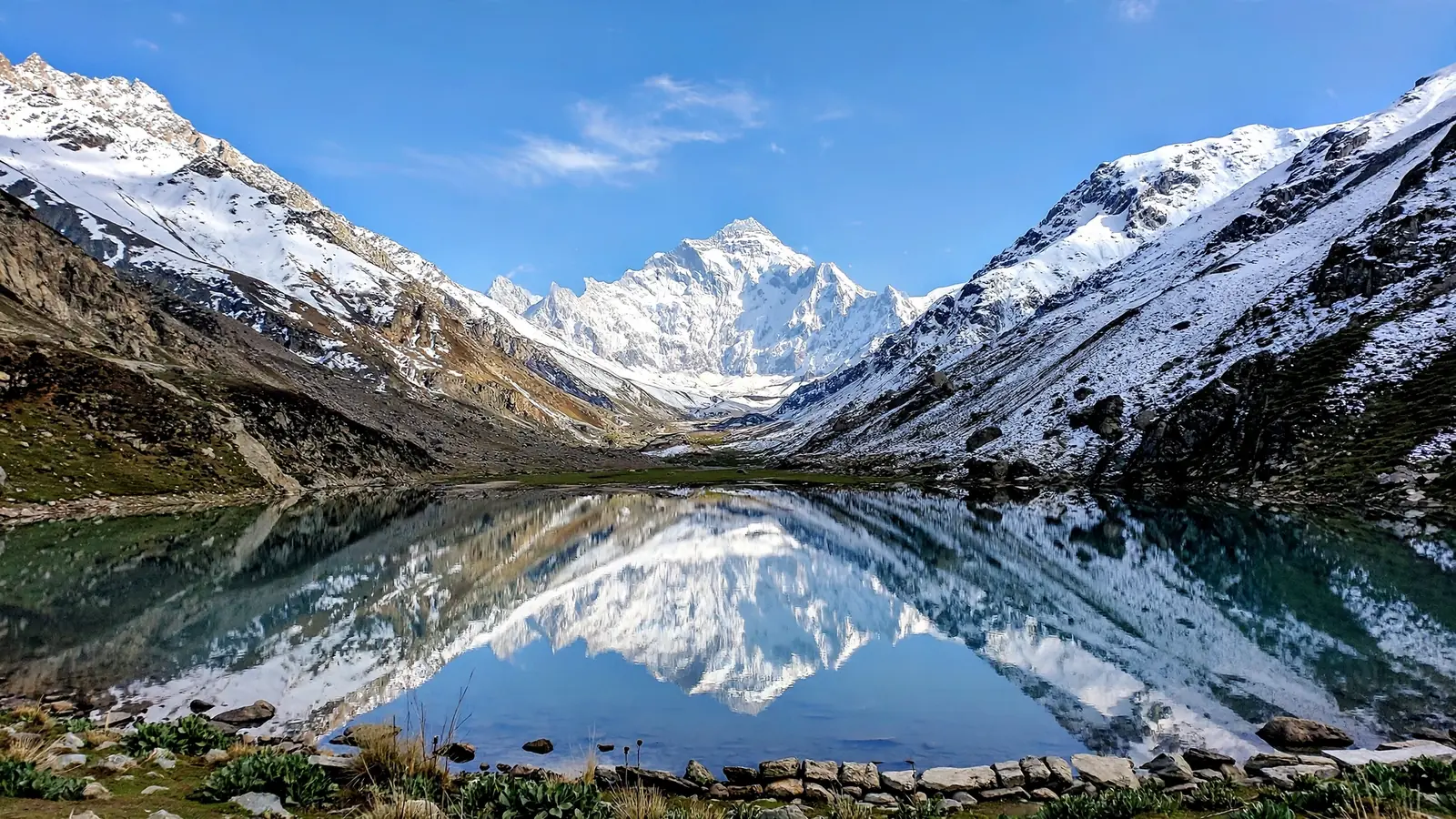
The road to Naran and Kaghan is one of the great drives in Pakistan, and its highest point, Babusar Top, decides everything about your trip. When the pass is open, the whole valley is yours: Saif-ul-Malook, Lulusar Lake, and the shortcut over the mountains to Gilgit. When it closes, the season is over.
This guide covers the full drive from Islamabad to Naran, the climb to Babusar Top, the 2026 opening dates and current conditions, and what each month of the season actually looks like. For the valley's sights and stays, see our Naran & Kaghan travel guide.
The short answer: is Babusar Top open right now?
Open as of 17 October 2026, with a daily cutoff. The pass reopened after a three-day closure caused by heavy snowfall on 13 October, which had shut the Babusar-Naran Highway to all traffic and left tourists stranded near the top on the night of 14 October (they were rescued by Diamer police). The National Highway Authority cleared the snow and restored traffic from both the Gilgit and Khyber Pakhtunkhwa sides.
The catch: traffic is only allowed until 4 pm each day, and the road closes after that because of severe weather and fog risk on the high mountain route. These are the last weeks of the 2026 season anyway: the pass opened on 27 May 2026 and late October is always the closing window. Do not set out without calling the KP tourism road helpline (1422) first to confirm the day's status. The Karakoram Highway via Besham remains the open alternative route north at any hour.
| Season | Babusar Top status |
|---|---|
| Late May to early June | Opens (date set by district administration each year) |
| June to mid-October | Fully open, daylight hours only |
| Late October | Closing window; snow can shut it any day |
| November to May | Closed (heavy snow on the pass) |
Getting to Naran: the Islamabad drive
Almost every Naran trip starts in Islamabad or Rawalpindi. The drive is roughly 240–260 km and takes 7–9 hours in normal conditions, longer on summer weekends when traffic on the valley road backs up.
The route: Take the Hazara Motorway (E35) from Islamabad toward Mansehra, then continue on the N-15 through Balakot, Paras, and up the Kaghan Valley to Naran. The motorway section is fast; the valley section is single-carriageway mountain road, scenic and slow.
By public transport: Buses and coasters run from Rawalpindi (Pirwadhai) to Naran in season, with fares roughly PKR 1,500–2,500 per person (approximate, varies by operator). Expect a long day, around 9–11 hours with stops.
By private car: Any well-maintained car, including sedans, can reach Naran itself. The road is paved all the way. The trouble starts above Naran, where jeeps take over. For groups of three or four, self-driving splits fuel into the cheapest option.
Fuel and cash: Fill up before the valley climbs, and carry cash. Naran town has ATMs and phone signal, but coverage thins out above Batakundi, and the stretches beyond have no banking at all.
Naran to Babusar Top: the 65 km climb
This is the road the article is named for, and it is the part most people get wrong. Babusar Top sits at 4,173 meters (about 13,700 feet), roughly 65 km from Naran town, a 1.5–2 hour drive when conditions are good.
What to expect: The road climbs past Batakundi, Lulusar Lake (about 48 km from Naran, 3,410 m, the source of the Kunhar River), and Besal before the final switchbacks to the top. The surface is mostly paved and usable by ordinary cars in season, though 2026 saw construction work on this stretch, so temporary closures or delays were possible even mid-season.
Daylight hours only: The pass runs restricted hours, roughly 6 am to 6 pm. If you reach the barrier after closing time, you wait for morning or turn back; there is no night crossing. Start from Naran by mid-morning at the latest to cross comfortably and return.
The Chilas descent: Beyond the top, the road drops about 42 km to Chilas on the Karakoram Highway, losing roughly 9,000 feet. It is very steep. Use low gear, take breaks so your brakes cool, and do not attempt it with worn brakes. This descent is also your gateway to the north: Chilas connects to Gilgit, Hunza, and Skardu, making Babusar the shorter route to Gilgit-Baltistan when it is open.
Altitude: At 4,173 m the air is thin. Most visitors feel it as light-headedness or a headache. Walk slowly at the top, drink water, and do not rush the climb if you have heart or breathing conditions.
Side trips off the main road
Saif-ul-Malook Lake (9 km from Naran, 3,224 m): The valley's most visited spot, a turquoise glacial lake under Malika Parbat. The track is unpaved, steep, and rocky: 4×4 jeeps only, no matter what your SUV can do. Jeep fares are controlled by the local Jeep Union at Naran Bazaar, roughly PKR 4,500–5,000 one way, or PKR 8,000–10,000 return with about 1.5 hours waiting time (approximate). Book through your hotel the evening before in peak season. Go before 9 am for calm water and smaller crowds.
Shogran and Siri Paye: Shogran is a pine plateau at about 2,400 m, reached by jeep track from the main road. From Shogran, jeeps continue up to Siri Paye, a broad alpine meadow with horse rides and panoramic views. This is the gentler option, good for families and anyone who wants meadows without a tough trek.
Sharan Forest: Off the Balakot–Naran road, a dense fir and pine forest with cabin-style stays, reached by jeep track from Paras. Quieter than Shogran, and a good overnight stop on the way up or down.
Journey costs at a glance
| Leg | Mode | Approx. cost |
|---|---|---|
| Rawalpindi/Islamabad to Naran | Public bus/coaster | PKR 1,500–2,500 per person |
| Islamabad to Naran | Private car (fuel, one way) | Varies with vehicle and fuel price |
| Naran to Saif-ul-Malook | Hired jeep (return, with wait) | PKR 8,000–10,000 (union rate) |
| Naran to Babusar Top | Own car or hired jeep | Fuel cost, or PKR 8,000–12,000 hired |
| Naran hotels | Budget / mid-range / luxury | PKR 3,000–6,000 / 8,000–15,000 / 25,000+ per night |
All figures are approximate and seasonal: summer and autumn weekends run highest, and early June and late October are cheapest. Confirm fares when you book.
Month by month: when to drive the road
May: The lower valley opens, but Babusar is usually still closed, with clearance operations running. Naran town is accessible; the high road is not.
June: Babusar is open (it opened on 27 May in 2026). Residual snow lines the roadside, and all destinations become reachable. Crowds build toward month end.
July–August: Peak season. Everything is open, wildflowers at their best, and weekend traffic on the Balakot–Naran road can add 3–4 hours. Travel mid-week or leave at dawn.
September: Crowds thin, weather stays good, and the valley starts turning. Arguably the sweetest month for the drive.
October: Autumn color, cold nights, and the closing window. Heavy snow forced a temporary closure of the whole pass on 13 October 2026, with tourists stranded and rescued overnight, but it reopened on 17 October with a daily 4 pm cutoff. It can close again with the next storm, so check 1422 before you go.
November–April: Winter. The pass is closed, most Naran hotels shut, and the valley belongs to the snow.
Tips before you go
1. Call 1422 before a late-season trip. The KP tourism helpline carries current valley road status, including Babusar and the Saif-ul-Malook jeep track. For the motorway leg, the Motorway Police advisory (130) covers the Hazara Motorway.
2. Respect the daylight hours. The pass barrier closes in the evening. Plan the crossing for the morning, with buffer time.
3. Do not take a sedan above Naran. Your car reaches Naran town fine, but Saif-ul-Malook, Siri Paye, and Sharan need 4×4 jeeps. Park at the hotel and hire local.
4. Pack for cold, even in summer. Naran sits at 2,400 m and nights are cold year-round. Above 3,000 m, carry a fleece and a wind layer even in July.
5. Watch your brakes on the Chilas descent. Low gear, periodic stops, and no riding the brakes. Overheated brakes on a 9,000-foot descent are how accidents happen.
6. Keep the tank and wallet full. Fuel before the climb, cash for the whole valley, and a buffer day in your itinerary if you are crossing Babusar near the season's edges.
Frequently asked questions
When does Babusar Top open in 2026?
Babusar Top opened on 27 May 2026, with daylight-only travel hours. It was temporarily closed by heavy snowfall on 13 October and reopened on 17 October 2026, currently with a 4 pm daily traffic cutoff, so this is the season's closing window. The pass will shut for winter with the next big storm, typically by early November, so call helpline 1422 before planning a late-season crossing.
How long is the drive from Islamabad to Naran?
Roughly 7–9 hours for the 240–260 km via the Hazara Motorway and the Kaghan Valley road, longer on summer weekends.
Can a normal car go to Babusar Top?
Yes, in season. The Naran–Babusar road is mostly paved and ordinary cars make the climb. But the side tracks to Saif-ul-Malook, Siri Paye, and Sharan are 4×4-jeep-only.
Is the Naran road open in winter?
Naran town itself becomes very quiet in winter and most hotels close; the road above Naran, including Babusar Top, is closed by snow from roughly November to May.
How do I check current road conditions?
Call the KP tourism helpline 1422 for valley roads (Babusar, Saif-ul-Malook, Swat, Chitral), and the Motorway Police at 130 for the motorway sections of your drive.
Can I reach Gilgit via Babusar Top?
Yes, and it is the shorter route when open: cross Babusar, descend to Chilas, and join the Karakoram Highway to Gilgit. See our Plan Your Trip page for route ideas. In winter, use the longer KKH route via Besham instead.
Last reviewed: 17 October 2026. Road dates, hours, fares, and conditions are approximate and move with weather, construction, and the season. Confirm current status (helpline 1422) before traveling.